
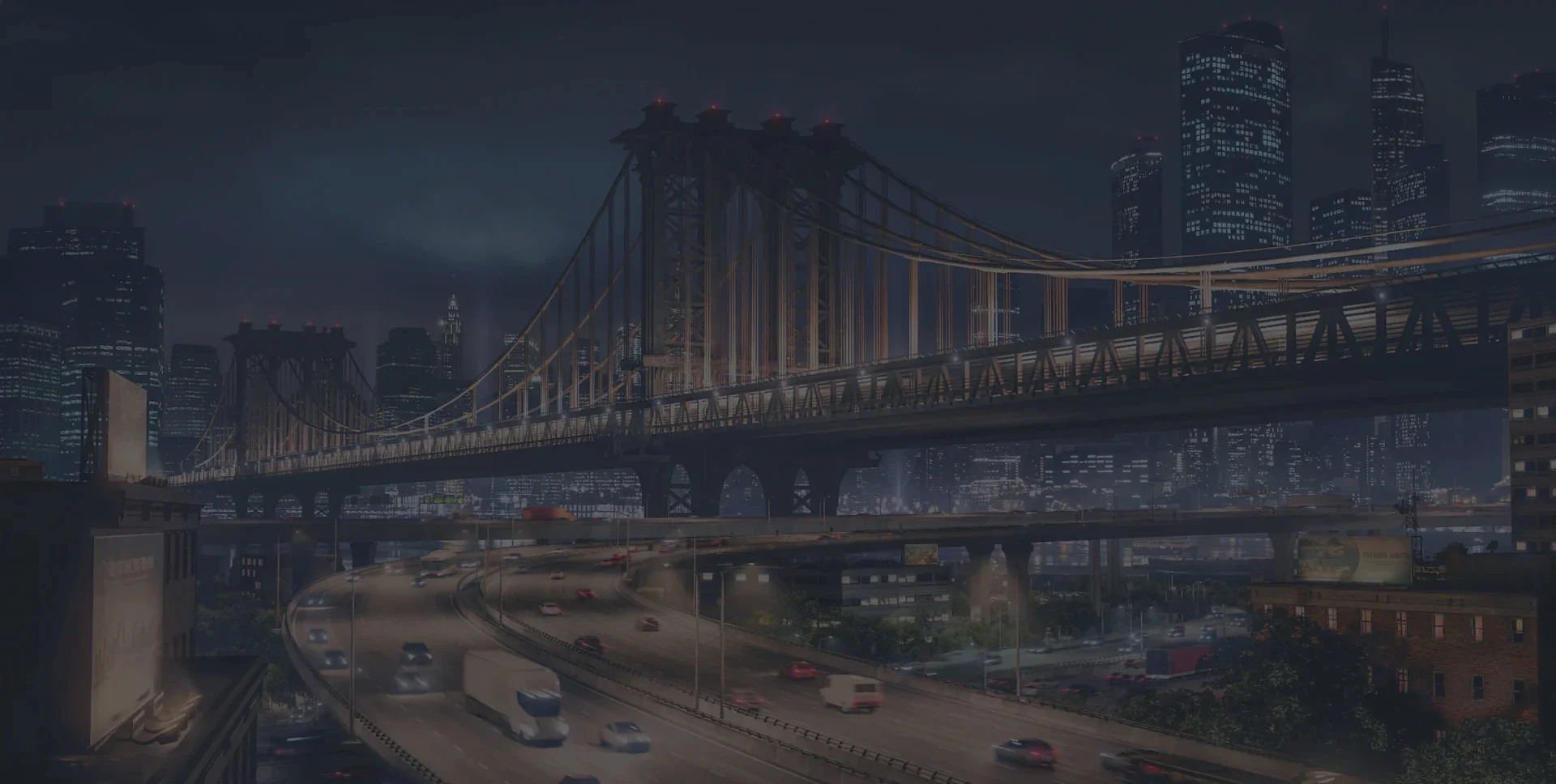
The transportation simulation genre has a new contender, and the community is buzzing with debate. As players dive into the latest installment of the franchise, many are asking if the Transport Fever 3 review scores truly reflect the depth of this complex economic simulator or if it leans too far into casual "city painter" territory. Whether you are a veteran of the series or a newcomer curious about the hype, understanding the balance between new features and legacy limitations is essential for deciding if this title deserves a spot in your library.
Table of Contents
Understanding the Evolution of Transport Fever 3
The launch of Transport Fever 3 has sparked significant conversation regarding Urban Games' design philosophy. While the previous entries were lauded for their logistical challenges, the third title shifts focus toward enhanced presentation, dynamic biomes, and user-friendly management tools. For many, this is a welcomed refinement; for others, it feels like a pivot toward a more aesthetic-focused experience.
To determine if this game is the right fit for your playstyle, it helps to compare the core design shifts from its predecessors.
| Feature Category | Transport Fever 2 | Transport Fever 3 | Change Impact |
|---|---|---|---|
| Line Creation | Often finicky, multi-window | Integrated, simplified UI | High (Improved usability) |
| Simulation Depth | Open-ended logistics | Objective-based Tycoon mode | Moderate (More guided) |
| Biomes | Flat imagery-based | Node-based, dynamic flora | High (Visual immersion) |
| Physics | Basic rail physics | Banked curves, tilting trains | Moderate (Realism focused) |
The New Tycoon Game Mode: A Strategic Shift
The introduction of a structured Tycoon mode is perhaps the most divisive addition. Instead of the purely open-ended sandbox of the past, players now progress through company levels driven by global population growth. According to community discussions, this change makes money-making secondary to efficient urban planning and demand fulfillment. While some find this transition satisfying, others feel it removes the "hardcore" risk of early logistics simulations.
Key Gameplay Improvements and QoL Features
If you are wondering how the gameplay feels in practice, most players agree that the quality-of-life (QoL) improvements are substantial. Urban Games has clearly listened to the feedback regarding tedious tasks like line management and vehicle replacement.
Simplified Line and Vehicle Management
In previous versions, managing a complex network often required constant window-switching. In Transport Fever 3, the integrated line and vehicle manager allow for seamless pathfinding adjustments and immediate vehicle comparison.
[!TIP] Efficiency Hack for Line Routing When building complex tram or bus routes, use the new path-snapping tools in the "wrench" menu. Instead of deleting an entire line due to a single misclick, you can now adjust individual stops and segments without breaking the entire network flow.
Traffic and Environment Mechanics
The traffic management tool is a game-changer. You can now manually adjust intersection turns and lane usage to alleviate bottlenecks, a feature many felt was missing in the sequel. Furthermore, the weather and day/night cycles are not just visual flair; they create a more immersive atmosphere that makes watching your trains navigate a stormy landscape feel genuinely rewarding.
Comparing Player Perspectives: Is it a "Painter" or a "Sim"?
One of the most intense debates surrounding the Transport Fever 3 review landscape is whether the game prioritizes "pretty" graphics over deep simulation. Some community members argue that the underlying engine still struggles with pathfinding bottlenecks in late-game scenarios, despite the flashy new biomes and high-poly models.
Performance vs. Aesthetics
Based on player feedback, the optimization for high-end rigs seems solid, but users on mid-range hardware might encounter the "lategame slideshow" effect if they push the limits of their CPU pathfinding.
| Perspective | Argument | Supporting Viewpoint |
|---|---|---|
| Pro-Innovation | Massive UI/UX gains | The new integrated managers save hours of setup time. |
| Pro-Simulation | Missing "Hard" Logic | Lacks the strict, closed-loop financial consequences of the original. |
| Casual/Painter | Stunning Visuals | Best-in-class graphics for a transport simulator. |
[!WARNING] Legacy Engine Constraints Note that because the game iterates on a long-standing codebase, some structural quirks—such as z-fighting on intersecting splines or terrain clipping—may still appear. Managing your mod usage is essential to prevent VRAM spikes.
Strategic Tips for New Tycoon Players
If you are ready to jump in, success in this game requires balancing short-term financial survival with long-term urban growth. Unlike older titles, you cannot simply brute-force your way through with infinite money; you must pay attention to "expected delivery times."
- Prioritize Cargo Deadlines: Failing to meet cargo delivery times now has direct negative consequences for city growth. Focus on short, efficient routes first.
- Utilize Subsidies: Keep an eye on subsidies that appear based on your current activities. They provide a clear path to early-game capital.
- Invest in Servicing Buildings: Expanding your vehicle maintenance beyond simple degradation settings into zone-based servicing is key to long-term profitability.
For those interested in technical details or looking for community-made solutions to common setup issues, you can visit the Official Transport Fever 3 Steam Page.
FAQ: Frequently Asked Questions
Is Transport Fever 3 significantly different from Transport Fever 2? While the engine shares some common ground, the UI overhaul, objective-based Tycoon mode, and advanced pathfinding options make for a much smoother, albeit more guided, experience than its predecessor.
Does this game require a top-tier PC to run well? According to community reports, the game is well-optimized for a wide range of hardware, though massive maps with hundreds of complex lines will naturally tax even the most powerful CPUs due to the nature of the pathfinding algorithm.
Should I buy the Deluxe Edition? The Deluxe Edition offers exclusive assets like the Concord and the Routemaster, alongside extra biomes. If you are a fan of "model train" aesthetics and like to take screenshots, it is a great value. Casual players will find the standard edition more than sufficient.
Is there a steep learning curve for the new traffic management tools? Not at all. The new intersection editor is highly intuitive. You can toggle specific turns and lane directions with a simple left-click, which significantly reduces the need for trial-and-error compared to previous titles.
References
- Is this game good? :: Transport Fever 3 General Discussions
- Prepare for disappointment :: Transport Fever 3 General Discussions
- They Nailed It: Tycoon Mode Analysis | Transport Fever 3
- Transport Fever 3 Full Review | What's New and Should You Buy it?